Web Services Login




Most livestock producers have seen it happen.
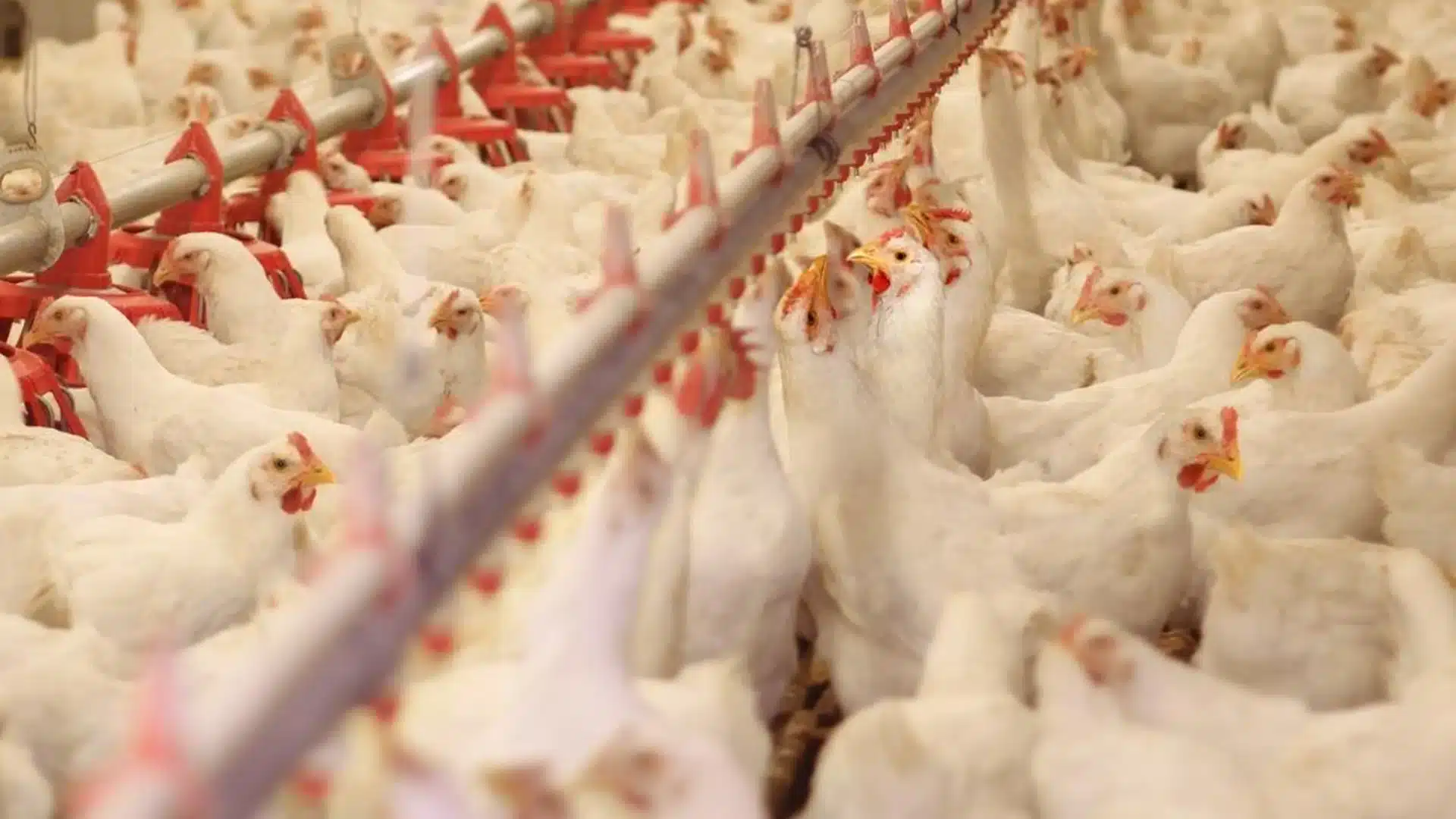
The controller shows the barn temperature right where it should be. But walking through the barn tells a different story. Bedding feels damp, the air feels heavy, and animals are not settling the way they should. Before long, someone is making manual adjustments to get things back under control.
This is not a failure of the control system. In most cases, the system is doing exactly what it was designed to do.
The issue is what it is watching.
What most barn control systems are actually responding to
Many barn control systems are built around temperature. Fans, heaters, and ventilation stages are triggered when temperature moves outside a defined range.
When conditions are stable, this works well. Temperature is easy to measure and provides a clear control target.
But in a working barn, temperature is only part of the picture.
Moisture levels, air quality, airflow, and weather conditions are constantly changing. If the system is only reacting to temperature, it will not respond to those changes until they begin to affect temperature itself.
By that point, the problem is already developing.
What is changing in the barn before temperature does
Several conditions can shift quickly inside a barn without immediately changing temperature. These are the situations producers deal with every day.
Humidity rising in poultry and swine barns
After a period of high animal activity, or during damp weather, humidity levels can increase quickly.
When humidity rises above the ideal range:
- The system does not respond because temperature is still within setpoint.
- Moisture builds in litter or bedding, increasing the risk of ammonia and reducing animal comfort.
The system has no reason to react, even though conditions are already changing.
Air quality changes in swine finishing barns
Gas levels such as carbon dioxide or ammonia can rise before temperature shifts.
When CO₂ or ammonia levels begin to increase:
- The system does not respond because temperature remains stable.
- Air quality declines before ventilation increases, and animals begin to feel the effects.
Airflow disruption in naturally ventilated or dairy barns
Air movement inside the barn is influenced by outside conditions, especially wind.
When wind direction or speed changes:
- Inlets and ventilation continue operating the same way as before.
- Airflow becomes uneven, with drafts in some areas and poor air exchange in others.
Why temperature is not always enough
Temperature is an important measurement, but it is often a lagging signal.
Moisture, air quality, and airflow conditions can change first while temperature remains stable. By the time temperature shifts enough to trigger a response, the underlying issue has already been present for some time. This is why producers often notice problems in the barn before the system reacts.
What this looks like day to day
When conditions shift but the system does not respond, producers step in.
- Adjusting fan speeds manually
- Opening or closing inlets
- Overriding ventilation stages during weather changes
These adjustments are not part of the plan. They are responses to conditions the system is not reacting to on its own.
Over time, this leads to more labour, less consistency, and greater reliance on manual oversight.
The gap between what is happening and what the system sees
Barn control systems respond to the inputs they are configured to monitor.
If temperature is the primary input, the system will respond to temperature. It will not react to humidity, air quality, or airflow changes unless those conditions are also being monitored and used to influence control decisions.
The challenge is not that the system cannot keep up. It is that it is not being given the right signals to respond to.
Moving toward condition-based control
To maintain consistent conditions, barn control systems need to respond to more than temperature alone.
Humidity, air quality, airflow, and weather all influence how the barn environment behaves. When those factors are monitored and connected to system responses, the control system can act sooner and more accurately.
This allows ventilation and equipment to adjust as conditions change, rather than waiting for temperature to reflect the problem.
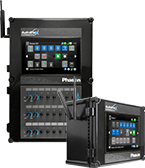
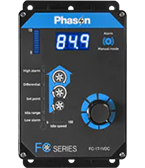
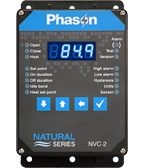
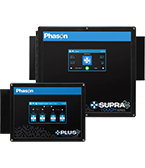
Modern control platforms, including systems used in poultry, swine, and dairy operations, are built with this type of condition-based logic in mind. Instead of reacting after conditions have shifted, they can respond as those changes begin to occur.
A better way to stay ahead of changing conditions
Barn conditions do not change one variable at a time. Moisture, airflow, and air quality are constantly interacting.
When control systems rely only on temperature, they are always reacting to the result rather than the cause.
The next step in barn control is simple in concept: respond to the conditions that are changing, not just the temperature that follows.
That shift is what allows producers to move from constant adjustment to more stable, consistent environments inside the barn.
What happens next
If temperature alone is not enough, the next step is understanding how a control system can respond to conditions like humidity, air quality, and airflow as they change.
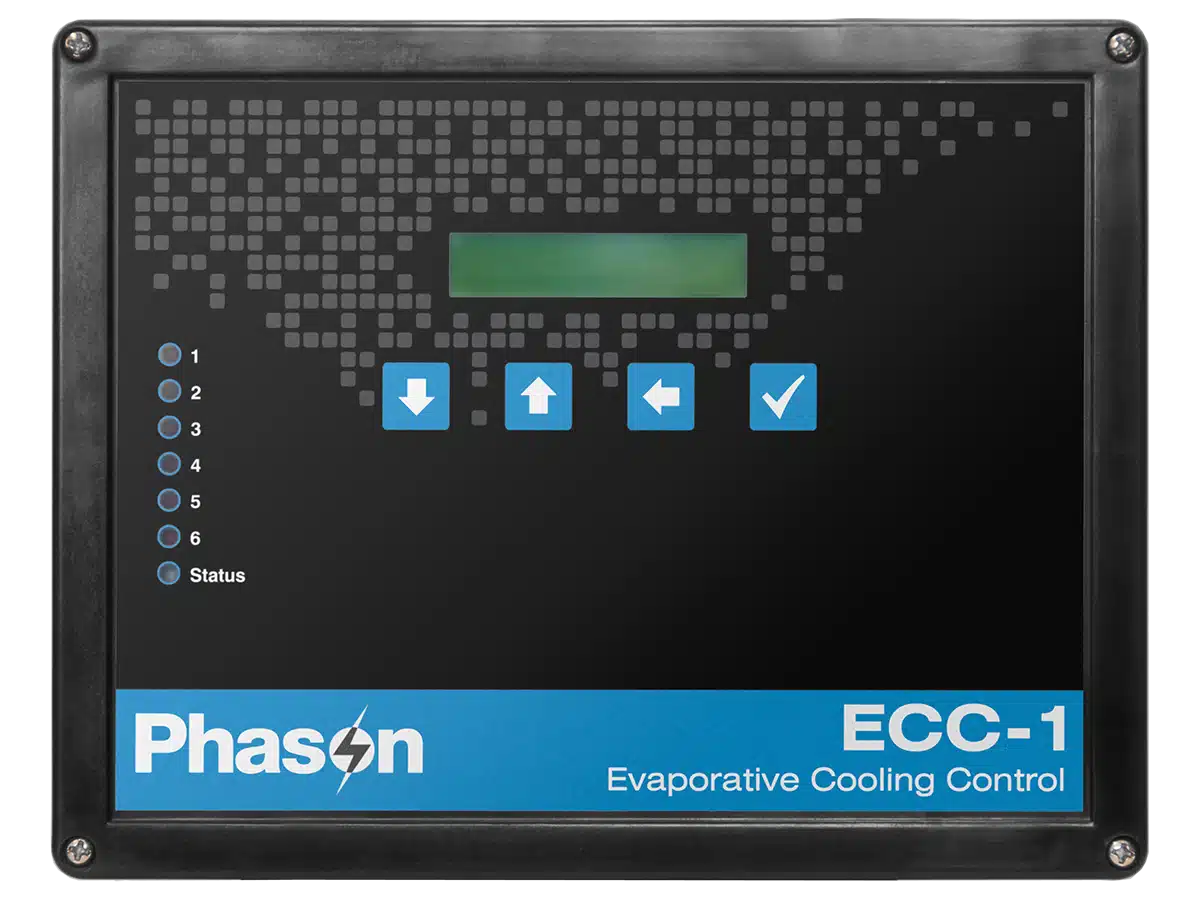
Phason control systems use built-in tools called secondary modifiers to do exactly that. These modifiers connect conditions inside and outside the barn directly to equipment operation, allowing the system to react earlier and more accurately.
In the next article, we break down how secondary modifiers work, what triggers them, and how they help maintain more consistent conditions in poultry, swine, and dairy barns.
FAQs
Why is my barn damp when the temperature is correct?
Humidity can rise without affecting temperature right away. If the system is only responding to temperature, it will not increase ventilation until moisture has already built up.
What causes wet bedding in poultry or swine barns?
Excess moisture from animal activity, weather, or poor air exchange can accumulate when ventilation does not respond early enough to humidity levels.
Why does air quality drop even when ventilation is running?
Ventilation may be operating based on temperature, not air quality. Gas levels such as ammonia or CO₂ can increase before temperature changes trigger additional airflow.
Why do I need to adjust fans manually during weather changes?
Changes in humidity, wind, or outside conditions can affect the barn environment before the system reacts. Manual adjustments are often used to compensate for this delay.
Is temperature enough to manage barn conditions effectively?
Temperature is important, but it does not reflect all the factors that affect animal comfort and air quality. Additional conditions need to be considered for more consistent control.